If you feel like your home gets dusty only a day or two after cleaning, you are not alone. Many people wonder why dust keeps coming back so quickly. You wipe the furniture, vacuum the floor, and everything looks clean. Then, after a short time, you notice a layer of dust again.
The good news is that this is a common problem. The even better news is that you can reduce dust if you understand where it comes from and what causes it to build up.
In this guide, you will learn why your home is so dusty, where dust comes from, and what you can do to keep your home cleaner for longer.
What Is Dust Made Of?
Many people think dust is only dirt from outside, but that is not true. Dust is actually a mixture of many different things.
Dust can include:
- Tiny pieces of dead skin from people and pets
- Pet hair and pet dander
- Dirt and sand brought in from outside
- Pollen from trees, flowers, and grass
- Fabric fibers from clothes, carpets, and furniture
- Tiny bits of paper and other household materials
- Small particles that come through open windows and doors
All of these tiny particles collect together and settle on surfaces around your home.
Why Does My House Get Dusty So Fast?
There are several reasons why your house may become dusty very quickly.
People and Pets Create Dust
Every person naturally sheds tiny pieces of skin every day. Pets also shed hair and skin flakes, which become part of the dust in your home.
The more people and pets living in a house, the more dust is usually created.
Dirty Air Filters
Your heating and cooling system has an air filter that catches dust before it moves through your home.
If the filter is old or clogged, it cannot trap dust properly. Instead, dust keeps moving through the air and settles on your furniture and floors.
Changing your air filter regularly can make a big difference.
Open Windows and Doors
Fresh air feels nice, but open windows also let dust, dirt, pollen, and small outdoor particles enter your home.
If you live near a busy road, construction site, or farm, even more dust may blow inside.
Carpets and Rugs Hold Dust
Carpets work like large dust traps. They collect dirt, hair, and tiny particles every day.
When people walk across the carpet, some of that dust goes back into the air. That dust later settles on furniture, shelves, and other surfaces.
Vacuuming carpets often helps reduce this problem.
Poor Air Circulation
When air does not move properly through your home, dust can collect more easily.
Blocked air vents, dirty fans, or poor ventilation can allow dust to build up faster.
Keeping air vents clean and making sure air flows properly can help.
Humidity Levels Are Too Low
Dry air allows dust to stay in the air for a longer time.
A small amount of moisture in the air makes dust particles heavier, so they settle more quickly instead of floating around.
Keeping indoor humidity at a comfortable level can help reduce airborne dust.
Where Does Dust Come From Outside?
A lot of dust enters your home from outside.
Common outdoor sources include:
- Dirt from shoes
- Wind blowing dust inside
- Pollen during allergy season
- Vehicle exhaust particles
- Construction dust
- Soil from gardens and yards
Even if your home looks sealed, tiny gaps around doors and windows can let outside dust enter.
Can Dust Affect Your Health?
Yes. Too much dust can affect your health, especially if you have allergies or asthma.
Dust may cause:
- Sneezing
- Runny nose
- Itchy eyes
- Coughing
- Trouble breathing
- Skin irritation
Dust can also contain dust mites, which are tiny creatures that live in household dust. Some people are allergic to them.
Keeping your home cleaner can help improve indoor air quality and reduce allergy symptoms.
How to Reduce Dust in Your Home
The good news is that you do not have to completely eliminate dust. That is almost impossible. Instead, you can reduce it by following a few simple habits.
Dust Before Vacuuming
Always dust furniture before you vacuum.
When you dust first, loose particles fall onto the floor. Then your vacuum can pick them up.
If you vacuum first and dust afterward, the dust will simply settle back onto the floor.
Use a Damp Microfiber Cloth
Dry cloths often push dust around instead of removing it.
A slightly damp microfiber cloth traps dust much better and leaves less behind.
Vacuum Regularly
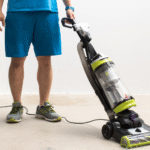
Vacuum carpets, rugs, and upholstered furniture at least once or twice each week.
Pay extra attention to areas where people walk the most because these places collect the most dirt.
Change Your Air Filter
Check your heating and cooling system’s air filter every month.
Replace it as recommended by the manufacturer. A clean filter helps remove dust from the air before it spreads through your home.
Remove Shoes at the Door
Shoes carry dirt, sand, and dust from outside.
Leaving shoes at the entrance helps keep much of that dirt from spreading throughout your house.
Wash Bedding Often
Bed sheets, pillowcases, and blankets collect skin flakes and dust every day.
Washing them once a week helps reduce dust buildup in your bedroom.
Groom Pets Regularly
Brushing your pets helps remove loose hair before it ends up on your floors and furniture.
Bathing pets when appropriate also helps reduce pet dander.
Keep Clutter to a Minimum
The more items you have on shelves and tables, the more places dust can collect.
Keeping your home organized makes cleaning much easier and helps reduce dust buildup.
Is It Possible to Have a Dust-Free Home?
No home can be completely dust-free.
Dust is created naturally every day by people, pets, fabrics, and the outdoor environment.
The goal is not to remove every tiny particle. The goal is to keep dust at a low level so your home stays cleaner, healthier, and easier to maintain.
With regular cleaning and a few simple habits, you can greatly reduce the amount of dust in your home.
Final Thoughts
If your home always seems dusty, it does not mean you are doing something wrong. Dust is a normal part of everyday life. It comes from inside your home as well as from outside.
The most common causes include people, pets, dirty air filters, carpets, open windows, and outdoor dirt. Once you know where the dust comes from, you can take simple steps to reduce it.
Regular vacuuming, dusting with a microfiber cloth, changing air filters, washing bedding, and keeping clutter under control can make a noticeable difference.
With a consistent cleaning routine, your home can stay cleaner for longer, and you can enjoy a healthier and more comfortable living space.