Have you ever noticed a damp or musty smell inside your home after it rains? If so, you are not alone. Many homeowners experience this problem, especially during rainy seasons or in areas with high humidity.
A damp smell is more than just unpleasant. It can be a sign that too much moisture is getting into your home. If the problem is ignored, it may lead to mold, mildew, or damage to your walls, floors, or furniture.
You may be asking, “Why does my home smell damp after it rains?” There are several possible reasons. The good news is that many of them can be found and fixed before they become bigger problems.
In this guide, you will learn the most common causes of a damp smell after rain and what you can do to get rid of it.
Too Much Moisture Is Getting Into Your Home
The most common reason for a damp smell is excess moisture.
When it rains, the air outside becomes more humid. Humid air contains more water vapor than dry air. If that moisture enters your home, it can settle into carpets, walls, furniture, and other materials.
As these materials stay damp, they can develop a musty smell.
Keeping indoor moisture under control is one of the best ways to prevent this problem.
Mold and Mildew May Be Growing
A damp smell often means mold or mildew is present somewhere in your home.
Mold and mildew grow in dark, damp places where moisture stays for a long time. Common places include basements, bathrooms, attics, crawl spaces, and behind walls.
Sometimes you can see mold, but in many cases it grows in hidden areas that are difficult to reach.
If the damp smell appears every time it rains, moisture may be creating the perfect conditions for mold to grow.
There May Be a Roof Leak
Rainwater can enter your home through a damaged roof.
Even a small leak can allow water to soak into your ceiling, attic, or walls. The water may not drip into the room right away, but it can stay trapped inside building materials.
Over time, this moisture creates a damp smell and may lead to mold growth.
If you notice water stains on your ceiling or walls along with the smell, your roof should be inspected as soon as possible.
Water May Be Entering Through Windows or Doors
Old or damaged windows and doors can let rainwater enter your home.
Small gaps around the frames may allow water to seep inside during heavy rain. The moisture can soak into nearby walls, flooring, or carpets.
Even if the amount of water is small, repeated exposure can create a musty smell over time.
Check around your windows and doors after it rains to see if you notice any wet spots or signs of water damage.
Your Basement or Crawl Space May Be Damp
Basements and crawl spaces often have higher moisture levels than the rest of the home.
After heavy rain, water can seep through the foundation or collect around the outside of your house. This extra moisture can make these areas damp and create a musty smell that spreads through the home.
If the smell seems strongest near the basement, this could be the source of the problem.
Keeping these spaces dry is important for improving the air quality throughout your home.
Poor Ventilation Traps Moisture Indoors
Good airflow helps remove excess moisture from your home.
If your home does not have enough ventilation, damp air stays inside longer after it rains. This allows moisture to collect on walls, windows, and other surfaces.
Bathrooms, kitchens, laundry rooms, and basements need good ventilation because they naturally produce more moisture.
Using exhaust fans and opening windows when the weather is dry can help improve airflow.
High Humidity Makes the Smell Worse
Rain usually increases the humidity outside, and that extra humidity can also affect the air inside your home.
When indoor humidity becomes too high, carpets, curtains, furniture, and wooden surfaces absorb moisture from the air.
These damp materials can develop a musty smell even if there is no visible water leak.
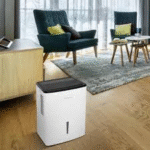
Using a dehumidifier can help remove excess moisture from the air and make your home feel fresher.
Wet Carpets or Rugs Can Hold Moisture
Carpets and rugs absorb water very easily.
If rainwater enters your home through shoes, open doors, or small leaks, your carpet may stay damp long after the rain has stopped.
A wet carpet can quickly develop a musty smell if it does not dry completely.
If your carpet becomes wet, dry it as soon as possible by improving airflow and removing excess moisture.
Blocked Gutters Can Lead to Water Problems
Your gutters help carry rainwater away from your home.
If they become blocked with leaves, dirt, or other debris, rainwater can overflow and collect near your home’s foundation or walls.
This extra water may eventually find its way inside and create damp areas that cause unpleasant odors.
Cleaning your gutters regularly helps water flow away from your home as it should.
Easy Ways to Get Rid of a Damp Smell
You can often improve the smell in your home by reducing moisture and fixing the source of the problem.
Here are some simple steps to try.
- Check your roof for signs of leaks.
- Inspect windows and doors for water entering after rain.
- Clean and repair blocked gutters.
- Use exhaust fans in bathrooms and kitchens.
- Run a dehumidifier if your home feels humid.
- Dry wet carpets and rugs as quickly as possible.
- Improve airflow by opening windows when the weather is dry.
- Look for signs of mold and deal with moisture problems right away.
These steps can help keep your home dry and reduce musty odors.
When Should You Call a Professional?
Sometimes the source of the damp smell is hidden behind walls, under floors, or inside the attic.
If the smell keeps coming back after every rainfall, or if you notice mold, water stains, peeling paint, or soft spots in your walls or ceiling, it is a good idea to contact a professional.
A roofing contractor, plumber, or water damage specialist can inspect your home, find the source of the moisture, and recommend the right repair before the problem becomes more serious.
Final Thoughts
If your home smells damp after it rains, the most common causes are excess moisture, mold or mildew, roof leaks, water entering through windows or doors, damp basements, poor ventilation, or high indoor humidity. Wet carpets and blocked gutters can also contribute to the problem.
The best way to get rid of the smell is to find where the moisture is coming from and fix the problem as soon as possible. Once the source of the moisture is removed, your home will usually become fresher, healthier, and more comfortable.
By checking your home regularly and keeping moisture under control, you can prevent damp smells from returning and protect your home from costly water damage in the future.