If you find yourself coughing more when you are at home, you may be wondering, “Why is my home making me cough?” Many people think coughing only happens because of a cold or the flu, but sometimes the air inside your home can also be the cause.
A cough can happen when something in the air irritates your throat or lungs. Dust, mold, dry air, pet hair, smoke, and poor ventilation are just a few things that can make you cough indoors.
The good news is that many of these problems can be found and fixed. In this guide, you will learn the most common reasons your home may be making you cough and what you can do about them.
Dust Can Irritate Your Throat
Dust is one of the most common reasons people cough at home.
Dust is made up of tiny particles that can include dirt, fabric fibers, pollen, and dead skin cells. When dust builds up, it can become airborne when people walk, clean, or use fans.
Breathing in dust can irritate your throat and airways, especially if you have allergies or asthma.
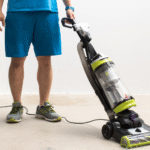
Cleaning your home regularly, vacuuming carpets, and dusting furniture with a damp cloth can help reduce the amount of dust in the air.
Poor Indoor Air Quality Can Cause Coughing
Indoor air quality refers to how clean or polluted the air inside your home is.
If the air contains too much dust, smoke, chemicals, or other tiny particles, it can irritate your nose, throat, and lungs. This irritation may cause coughing, especially if you spend many hours indoors.
Improving indoor air quality by keeping your home clean and allowing fresh air to enter can make breathing more comfortable.
Mold Can Affect Your Breathing
Mold grows in damp places where there is too much moisture.
Bathrooms, basements, kitchens, and areas with water leaks are common places for mold to grow. Mold releases tiny spores into the air that some people breathe in.
For many people, mold can cause coughing, sneezing, a stuffy nose, itchy eyes, or throat irritation. People with allergies, asthma, or other breathing conditions may be affected even more.
If you find mold in your home, clean small areas safely and fix the source of the moisture. Large mold problems should be handled by professionals.
Dry Air Can Irritate Your Throat
Air that is too dry can also make you cough.
During the winter, heating systems often remove moisture from the air. When the air becomes very dry, your throat and nose can dry out as well.
A dry throat is more likely to become irritated, leading to coughing.
Using a humidifier, drinking enough water, and keeping indoor humidity at a comfortable level can help reduce dryness.
Pet Hair and Pet Dander Can Trigger Coughing
If you have pets, they may be contributing to your cough.
Many people think they are allergic to pet hair, but the real problem is often pet dander. Pet dander consists of tiny flakes of skin that animals naturally shed. These particles can stay in the air and settle on furniture, carpets, and bedding.
If you are sensitive to pet dander, it can cause coughing and other allergy symptoms.
Brushing pets regularly, washing their bedding, and cleaning your home often can help reduce pet dander indoors.
Smoke and Strong Smells Can Irritate Your Airways
Smoke is a common cause of coughing.
Cigarette smoke, fireplace smoke, candles, incense, and even cooking smoke can irritate your throat and lungs.
Strong-smelling cleaning products, air fresheners, paints, and other household chemicals may also trigger coughing in some people.
Using these products in well-ventilated areas and choosing low-odor products can help improve indoor air quality.
Dirty Air Filters Can Spread Dust
Many heating and cooling systems use air filters.
These filters catch dust and other particles before the air moves through your home. If the filters become dirty, they cannot work properly.
A clogged filter may reduce airflow and allow more dust to stay in the air.
Replacing air filters regularly helps keep your heating and cooling system working efficiently while improving the air you breathe.
Poor Ventilation Traps Indoor Pollutants
Ventilation means bringing fresh air into your home while allowing stale air to leave.
If windows stay closed all the time and there is very little airflow, dust, odors, moisture, and other indoor pollutants can build up.
Opening windows when the weather allows and using kitchen and bathroom exhaust fans can improve air circulation and help remove indoor pollutants.
Hidden Problems May Also Cause Coughing
Sometimes the cause is not easy to see.
Water leaks inside walls can allow mold to grow without being visible. Damaged insulation, pests, or poor ventilation inside crawl spaces and attics may also affect indoor air quality.
If your cough continues only when you are at home and you cannot find the cause, it may be helpful to have your home inspected by a professional.
Easy Ways to Improve the Air Inside Your Home
You do not always need expensive repairs to improve indoor air quality. Start with these simple steps:
- Dust and vacuum your home regularly.
- Replace heating and cooling system air filters.
- Open windows when weather conditions allow.
- Use kitchen and bathroom exhaust fans.
- Fix water leaks quickly to prevent mold growth.
- Keep indoor humidity at a comfortable level.
- Reduce smoke and strong chemical odors inside your home.
These simple habits can help create a cleaner and healthier indoor environment.
Final Thoughts
If you have been asking yourself, “Why is my home making me cough?” there are many possible reasons. Dust, mold, dry air, poor ventilation, pet dander, smoke, and dirty air filters are some of the most common causes of indoor coughing.
The first step is to look for anything that could be affecting the air inside your home. Cleaning regularly, improving ventilation, controlling moisture, and maintaining your heating and cooling system can often make a big difference.
If your cough is severe, lasts for several weeks, or is accompanied by symptoms such as difficulty breathing, chest pain, fever, or coughing up blood, it is important to seek medical care. If your symptoms improve when you leave your home but return when you come back, consider both a medical evaluation and an inspection of your home to identify possible indoor air quality problems.
A clean home with good air quality is more comfortable and healthier for everyone. By understanding the common causes of indoor coughing and taking simple steps to improve your environment, you can help create a home where it is easier to breathe.