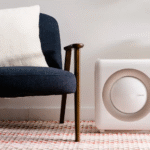
A home ventilation system is a system that moves fresh air into your home and removes stale or polluted air from inside.
Every day, the air inside your home can collect dust, moisture, cooking smells, smoke, and other pollutants. Without proper ventilation, this air can become unhealthy and uncomfortable.
A home ventilation system helps improve indoor air quality by bringing in fresh outdoor air and pushing out old indoor air.
Good ventilation also helps control moisture, reduce unpleasant odors, and create a healthier and more comfortable living environment.
How Does a Home Ventilation System Work?
A home ventilation system works by moving air through your home.
Fresh air is brought in from outside, while stale air is removed from inside. Depending on the type of system, this process may happen naturally, with fans, or through a combination of both.
Some systems use ducts to move air from one room to another, while others work by using exhaust fans in areas where moisture and odors are common, such as kitchens and bathrooms.
Many modern homes also use mechanical ventilation systems that move air continuously to improve indoor air quality.
Why Is Home Ventilation Important?
Good ventilation is important because it helps keep the air inside your home clean and fresh.
Without enough ventilation, moisture can build up inside the home. Too much moisture can lead to mold, mildew, and damage to walls, ceilings, and furniture.
Poor ventilation can also allow dust, allergens, smoke, pet odors, and other indoor pollutants to stay in the air for longer periods.
By improving airflow, a ventilation system helps create a healthier home and may reduce problems caused by poor indoor air quality.
What Are the Different Types of Home Ventilation Systems?
There are several ways to ventilate a home.
Natural Ventilation
Natural ventilation uses windows, doors, and vents to let fresh air enter the home and allow stale air to leave.
For example, opening windows on opposite sides of your home can create a natural flow of air.
Natural ventilation is simple and does not require electricity, but it depends on outdoor weather conditions and may not always provide enough airflow.
Mechanical Ventilation
Mechanical ventilation uses fans and equipment to move air through the home.
These systems work even when windows and doors are closed.
Mechanical ventilation is common in modern homes because it provides more consistent airflow throughout the year.
Exhaust Ventilation
Exhaust ventilation removes stale or moist air from specific areas of the home.
Bathroom exhaust fans remove moisture after showers, while kitchen exhaust fans help remove smoke, steam, grease, and cooking odors.
These systems help improve comfort and reduce moisture problems.
Whole-House Ventilation Systems
A whole-house ventilation system is designed to improve airflow throughout the entire home.
These systems bring in fresh outdoor air while removing stale indoor air on a regular basis.
Some advanced systems also filter incoming air before it enters your home, helping reduce dust and other airborne particles.
What Are the Benefits of a Home Ventilation System?
A home ventilation system offers many important benefits.
Improves Indoor Air Quality
Fresh air helps reduce the amount of dust, smoke, odors, and other pollutants inside your home.
Cleaner air can make your home feel fresher and more comfortable.
Reduces Moisture
Ventilation helps remove extra moisture from the air.
This can reduce the risk of mold, mildew, and water damage caused by excess humidity.
Helps Prevent Unpleasant Odors
Cooking smells, pet odors, and other household smells can build up over time.
A ventilation system helps remove stale air and replace it with fresh air.
Creates a More Comfortable Home
Better airflow helps rooms feel fresher and less stuffy.
It can also help maintain more balanced indoor humidity levels, making your home more comfortable throughout the year.
Where Are Ventilation Systems Used in a Home?
Ventilation systems are used throughout many parts of a home.
Bathrooms often have exhaust fans to remove moisture after showers.
Kitchens usually have range hoods or exhaust fans to remove smoke, steam, and cooking odors.
Laundry rooms may also have ventilation to remove moisture from clothes dryers.
Some homes have whole-house ventilation systems that improve airflow in every room.
Attics and crawl spaces may also have ventilation to help reduce heat and moisture buildup.
How Do You Maintain a Home Ventilation System?
Like other home systems, a ventilation system needs regular maintenance to work properly.
Clean or replace air filters according to the manufacturer’s recommendations.
Keep vents and air openings free from dust, dirt, and furniture that may block airflow.
Check exhaust fans to make sure they are working correctly and clean them when dust builds up.
If your home has a whole-house ventilation system, have it inspected and serviced as recommended by the manufacturer.
Regular maintenance helps the system work efficiently and can improve its lifespan.
Does Every Home Need a Ventilation System?
Every home needs some form of ventilation.
Older homes often rely more on natural ventilation because they may have small gaps that allow outside air to enter.
Newer homes are usually built to be more energy efficient and tightly sealed. Because less outside air enters naturally, these homes often benefit from mechanical ventilation systems that provide a steady supply of fresh air.
The type of ventilation that is best for your home depends on its design, climate, and local building requirements.
Final Thoughts
A home ventilation system helps bring fresh air into your home while removing stale, polluted, and moisture-filled air. It plays an important role in improving indoor air quality, reducing humidity, preventing mold, and making your home more comfortable.
Whether your home uses natural ventilation, exhaust fans, or a whole-house mechanical ventilation system, good airflow is an important part of a healthy living environment. By understanding how ventilation works and maintaining your system properly, you can enjoy cleaner air, better comfort, and a healthier home for you and your family.