If you have ever walked upstairs and felt like it was much colder than the rest of your home, you are not alone. Many homeowners have this problem, especially during the winter months. It can be uncomfortable to sleep, relax, or work in a room that always feels cold.
You may wonder, “Why is my home always freezing upstairs?” There is no single answer because several different things can cause this problem. The good news is that many of these causes are easy to understand, and some can even be fixed without spending a lot of money.
In this guide, you will learn why your upstairs feels so cold and what you can do to make it warmer and more comfortable.
Poor Insulation Lets Heat Escape
One of the most common reasons an upstairs feels freezing is poor insulation.
Insulation is the material inside your walls, ceilings, and attic that helps keep warm air inside your home. During the winter, it slows down the heat from escaping outside.
If your attic or upstairs walls do not have enough insulation, the warm air inside your home can escape very quickly. At the same time, cold air from outside can affect the temperature inside your rooms.
A professional can inspect your home’s insulation and tell you if more is needed. Adding insulation is often one of the best long-term ways to keep your upstairs warmer.
Air Leaks Let Cold Air Inside
Even a small gap around a window or door can let cold air enter your home.
Over time, weather, age, and normal wear can create tiny openings around windows, doors, electrical outlets, and other parts of your home. These openings allow cold outdoor air to come inside and warm indoor air to escape.
You may notice a cold draft when standing near a window or door.
Sealing these gaps with weather stripping or caulk can help keep warm air inside and reduce cold drafts.
Your Heating System May Not Reach Upstairs Properly
Your heating system should send warm air to every room in your home. If the upstairs is much colder than the downstairs, there could be a problem with the airflow.
Sometimes the air vents upstairs do not receive enough warm air because the ductwork is blocked, leaking, or not designed well.
Dirty air filters can also reduce airflow throughout the home.
Changing your HVAC filter regularly and having your heating system inspected can improve how well warm air reaches the upstairs.
Heat Escapes Through the Roof
The upstairs of your home is closest to the roof.
If your roof or attic is not properly insulated, heat can escape through the ceiling very quickly. As warm air leaves the house, the upstairs becomes colder.
This problem is especially common in older homes that were built before modern insulation standards.
Improving attic insulation can help keep more heat inside your home during the winter.
Windows Can Make Rooms Feel Colder
Older windows often allow more heat to escape than newer energy-efficient windows.
Even when the windows are closed, cold air can enter through small gaps around the frame. Single-pane windows also lose heat much faster than double-pane windows.
Heavy curtains or insulated window coverings can help keep warm air inside. If your windows are very old, replacing them with energy-efficient models may improve comfort and reduce heating costs.
Closed or Blocked Air Vents Reduce Heat
Sometimes the solution is surprisingly simple.
Furniture, rugs, curtains, or storage boxes may be blocking the air vents upstairs. If warm air cannot flow freely into the room, the room will stay colder.
Walk through your upstairs rooms and make sure every heating vent is fully open and not covered by furniture or other objects.
Keeping the vents clear allows warm air to circulate more effectively.
Your Thermostat May Be in the Wrong Location
The location of your thermostat affects how your heating system works.
If the thermostat is downstairs, it measures the temperature in that part of the home. Once the downstairs reaches the set temperature, the heating system turns off.
However, the upstairs may still be much colder because it has not had enough time to warm up.
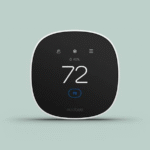
Some homes solve this problem by using a smart thermostat with multiple sensors or a zoning system that controls different parts of the house separately.
Your Home May Need Better Air Circulation
Warm air needs to move throughout the home to keep every room comfortable.
If the air does not circulate properly, some rooms may stay much colder than others.
Running the fan on your HVAC system for longer periods can help move warm air more evenly through the house.
Ceiling fans can also help during winter. Many ceiling fans have a reverse setting that pushes warm air trapped near the ceiling back down into the room.
Your Heating System May Be Too Small
If your heating system is too small for your home, it may struggle to keep every room warm.
This is more noticeable in larger homes where the upstairs is farther from the furnace or heat pump.
An HVAC professional can determine whether your current heating system is the right size for your home and recommend solutions if it is not.
Simple Ways to Make Your Upstairs Warmer
You may not need a major repair to improve the temperature upstairs. Start with these simple steps.
- Check that all heating vents are open.
- Replace dirty HVAC air filters.
- Seal gaps around windows and doors.
- Use thick curtains during cold weather.
- Add rugs to hard floors for extra warmth.
- Keep furniture away from heating vents.
- Reverse your ceiling fans during winter.
- Have your heating system inspected if the problem continues.
Even small improvements can make your upstairs feel much more comfortable.
When Should You Call a Professional?
Some heating problems need expert help.
If you have already tried simple solutions and your upstairs is still freezing, it is a good idea to contact an HVAC technician.
A professional can inspect your furnace, heat pump, ductwork, insulation, thermostat, and airflow. They can find hidden problems that are difficult to see on your own.
Fixing these issues can improve your comfort and may also lower your heating bills because your system will not have to work as hard.
Final Thoughts
If your upstairs always feels freezing, the problem is usually caused by poor insulation, air leaks, heating system issues, blocked vents, old windows, or poor airflow. In many homes, more than one of these problems is happening at the same time.
The good news is that many solutions are simple and affordable. Small changes like sealing air leaks, replacing air filters, opening vents, and improving insulation can make a noticeable difference.
A warm and comfortable upstairs is possible with the right approach. By understanding what causes the problem and fixing it step by step, you can enjoy a home that feels comfortable on every floor throughout the winter.